
 Call Now
- October 5, 2026
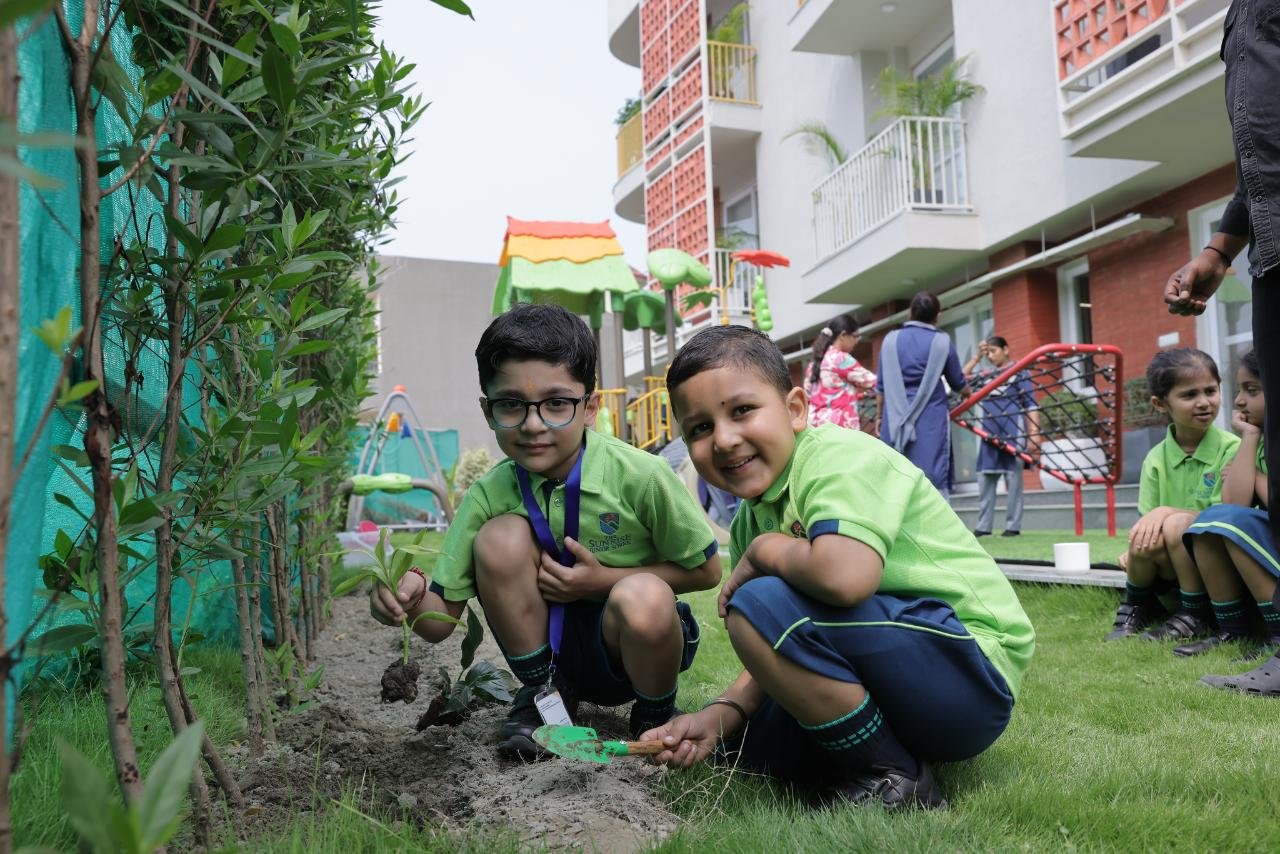
The first school day is an important milestone for children and their parents and means starting the new routine, meeting new adults, other children, and being in another place. Some children walk into their preschool with confidence while others need more time and reassurance.
To prepare for preschool means not to teach children everything beforehand. The main aim is to make the experience as familiar as possible, teach them some useful skills, and show them that parting is temporary. By being realistic and supporting each other, families can make the transition to preschool more peaceful and smooth.
Talk About Preschool Honestly
The process of referring to preschool can start a few weeks prior to the beginning date. It is important to use language that sends a positive message without making crazy promises like “You will enjoy preschool all the time.” It is necessary to clarify child’s expectations like “You will get to meet with your teacher, play with other kids, listen to stories, and take a snack. I will return after you finish your school day.”
Explaining children about routine helps them to form a rough picture of things happening through the day. Reading books telling about preschool and playing role games help kids to understand what is new for them.
Motivate kids asking as many questions as they want even if they plan the same time.
Visit the Preschool in Advance
If you have a chance, it is advisable to visit the preschool prior to the first day. This will allow your child to view the entrance, classroom, washroom, play area, and the place where the parents bid goodbye.
Meeting a teacher or seeing the children in the environment can lower the level of apprehension for the child. Dehradun parents should be aware of the route and time for journey to avoid the rush on the first day of preschool.
If an actual visit cannot be made, photographs of the preschool building, classroom, or teacher can help the child cope with their anxieties in advance.
Establish a Preschool Routine
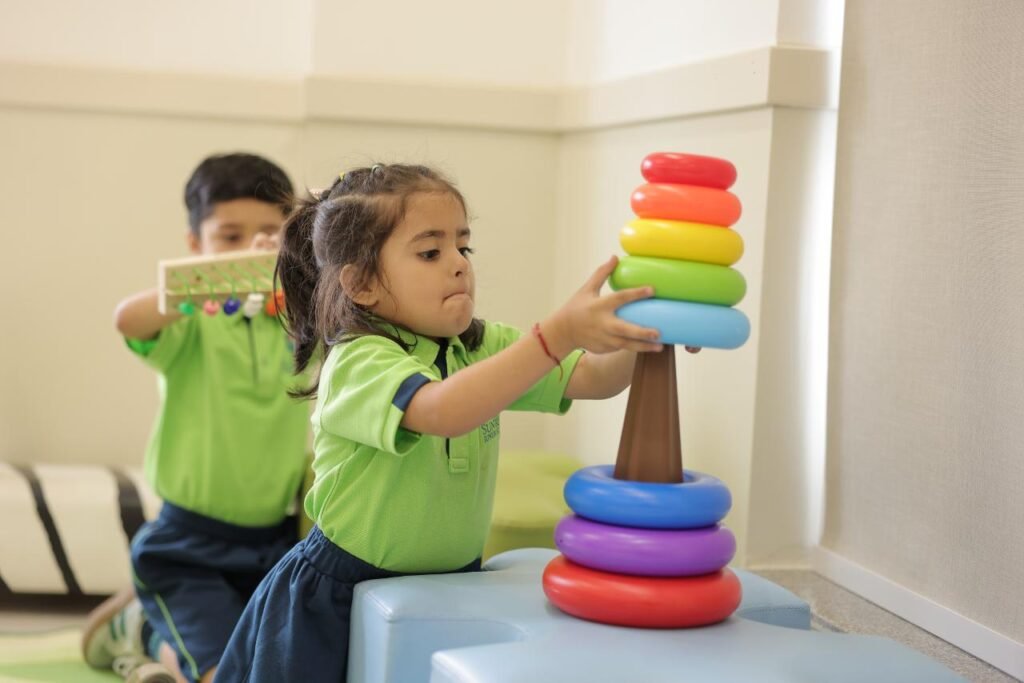
Predictable schedules in preschool help children feel more secure. It is advisable to adjust the wake-up, mealtimes, rest time, and bedtimes before starting preschool.
It is better to practice morning activities such as waking up, going to the bathroom, dressing, eating breakfast, brushing teeth, and packing school bags in advance.
It is not a good idea to introduce something completely new to the child on the first day. A tired or rushing kid will find separation from his or her parents more difficult. It is better to stick to the regular bedtime and give sufficient time to prepare for coming to school.
Practices with the parents before leaving home according to the schedule are also good for the child since he or she will understand how long it takes to complete all the morning activities.
Practice Short Separations
The kids which have very few experiences apart from their parents can benefit from brief premeditated separations. The child can visit with a caregiver or relative while the parent goes out for some time and then comes back.
Such experiences can help children learn that “my parent can be away from me and come back again”. Never disappear without saying goodbye. This may stop crying but can also make children more jittery as now they will constantly check if their parent is leaving or not.
Make sure to give simple explanations like “I’m going to the shop; I will be back after your snack”.
Encourage Basic Self-Help Skills
Before enrolling kids in preschool, it is not necessary for them to be completely independent. However, there are a few basic skills that kids need to have that will help them become more secure.
Teach kids how to open a lunch box, carry around a water bottle, wash and dry their hands, help them take on and off simple shoes, and put their stuff in a bag. Kids must also know how to express their needs, like telling someone they’re thirsty, asking for help, or letting an adult know that they need to go to the restroom.
Mark important belongings with labels to make them easy to identify. Choose clothing that is practical enough for the child to put on easily without needing help.
It’s not about perfection; it’s about letting kids gain experience on how to take care of themselves.
Prepare for Preschool Separation Anxiety
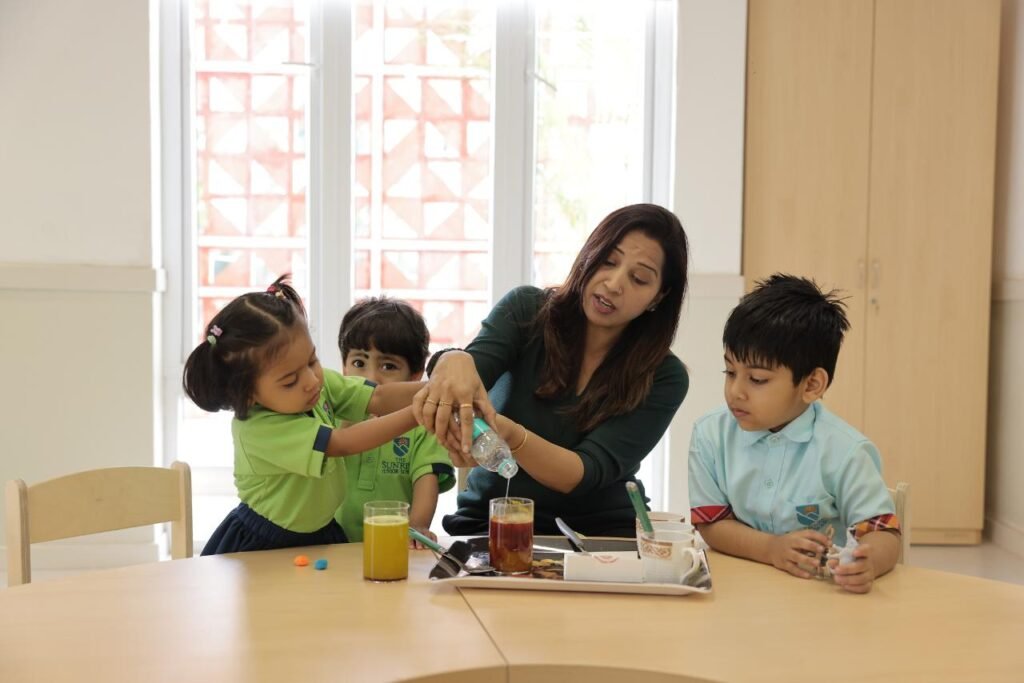
Anxiety related to preschool can happen easily, especially in the beginning moments of attendance. Children might exhibit signs of distress, such as crying, clinging to a parent, being silent, or voicing physical complaints at the time of departure.
It is important for parents to look at the situation without automatically assuming preschool to be dangerous. A suitable phrase is, “I understand you are worried. Your teacher will assist you, and I will come to pick you up right after school.”
It is important to keep goodbyes both quick and warm. Establishing a simple pattern – for example, a hug, a reassuring message, and a wave – can help ease the distress.
Avoid Comparisons and Pressure
All kids adapt differently to the transition to preschool. While one kid might go into the classroom right away, other needs plenty of time to start participating.
It is tempting to compare kids to their peers. For example, saying “Everyone is already in there” will only make the kid feel more embarrassed without improving the situation.
Instead, appreciate small achievements. Simple things like entering the building, saying “hi” to a teacher, or staying in the classroom for a bit longer are all good steps.
There may be changes in a kid’s sleeping or eating habits while getting used to preschool, but it is better to avoid pressuring them.
Maintain Clear Communication with Teachers
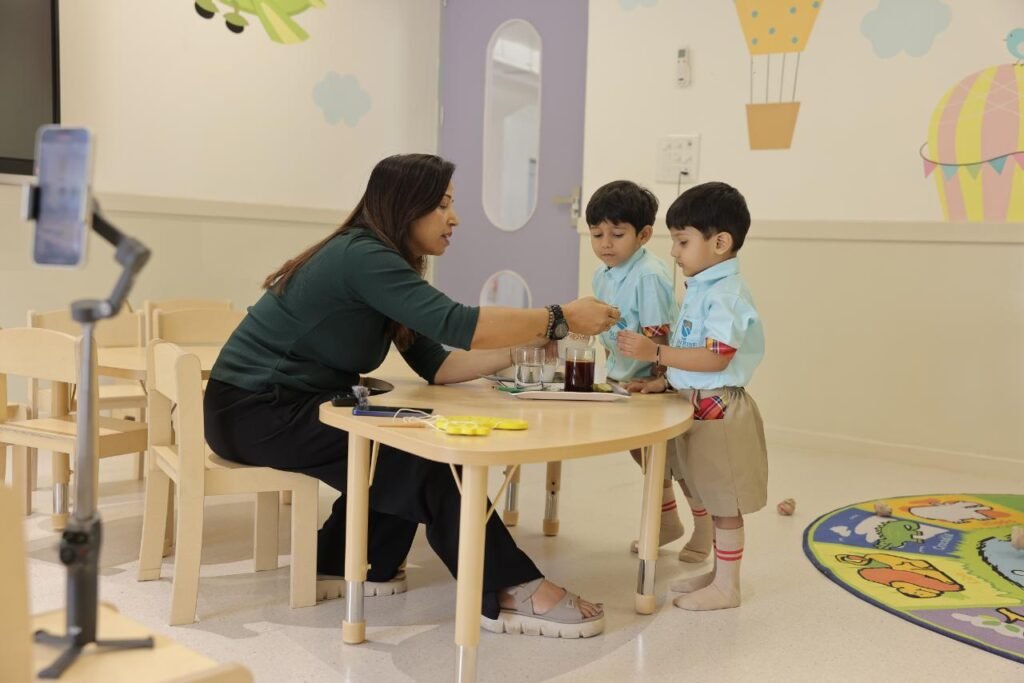
Provide critical details that could impact a child’s adjustment process, which involves health concerns, communication challenges, fears, alterations in family dynamics, or previous experiences involving separation.
Teachers can be a reliable source of information about how children act when their parents leave. There are plenty of children that cry when separating from their parents but soon calm down and get involved in activities in the classroom.
Parents whose children attend The Sunrise Junior School in Dehradun can take advantage of this communication and continue following the same expectations at home and nursery.
After the First Day
Be punctual when it comes to picking up your child. Promptness creates credibility and facilitates future departures.
Do not bombard your child with questions right away. Some kids prefer to take some time to unwind before they talk about their days. Start with simple inquiries like “Which activity did you like?” or “Was a story read?”
Listen carefully without correcting the child’s versions of the events. Preschool kids often keep only a tiny part of their day’s events in mind, and that’s perfectly fine.
Conclusion
The first day of preschool preparation consists of familiarization, regular routines, useful skills, and emotional reassurance. Children must be aware of what will happen, who will take care of them and when parents will pick them up. Smooth farewells, a known pick-up procedure, and communication can make the start of preschool easier. The adjustment may take some time, but with steady support, children will learn to trust themselves, be independent, and have confidence in their surroundings.
Frequently Asked Questions
Parents should start the preschool conversation and make necessary adjustments not more than 4 weeks prior to the preschool beginning.
Yes! Crying is quite a typical response to being separated even though it doesn’t imply that the child is not ready for preschool.
Definitely not. A quick and predictable farewell is what helps kids to build trust in their parents even if they get upset before that.
Some kids may adapt within days, while for others it may take weeks. The adjustment period is influenced by children’s temperament and past experiences of separation.
Basic self-care and self-communication skills are essential, although, they are not required to be completely independent or brilliant in studies.

