
 Call Now
- October 12, 2026
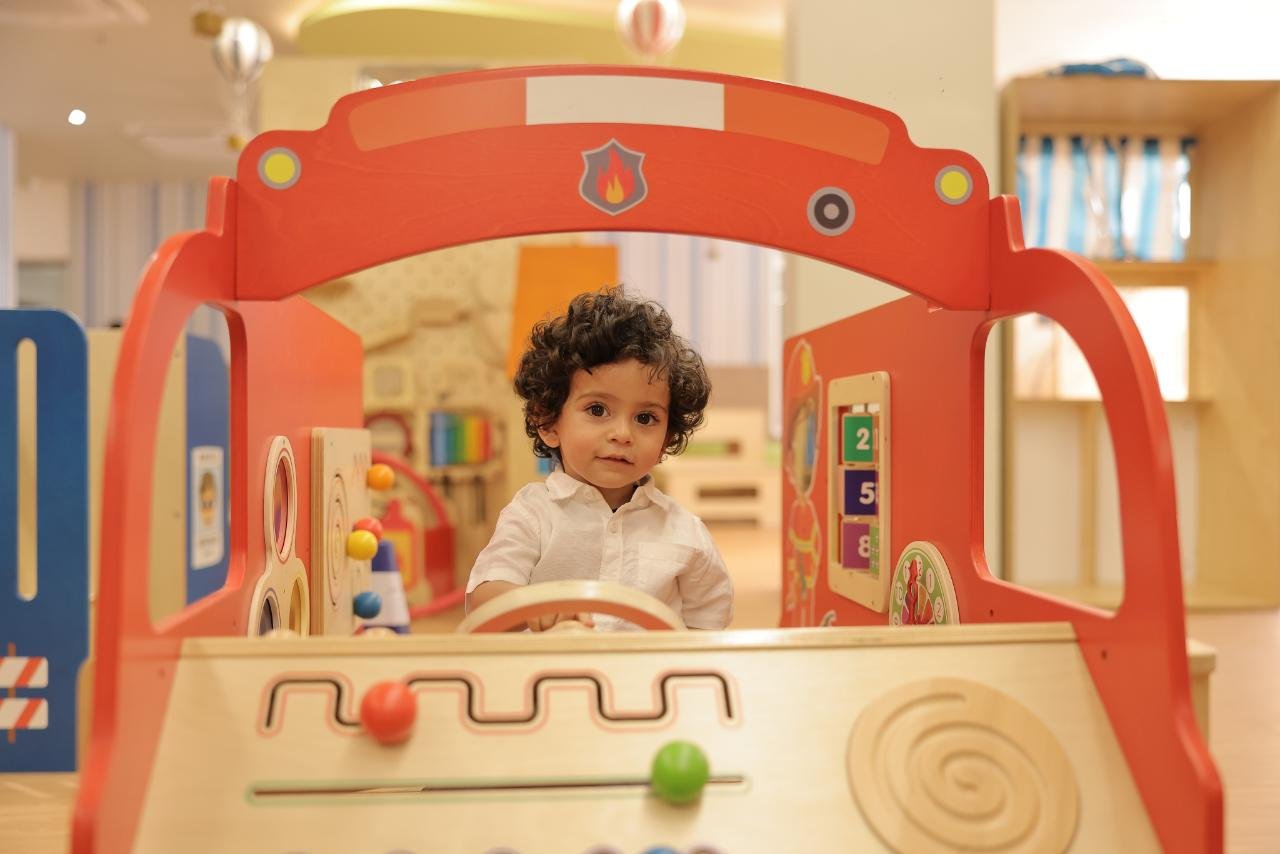
Preschool growth, generally considered as lasting from ages 3 to 5, is characterized by a rapid development of a child. At preschool age a child starts to be more independent and develops his/her language, motor, and social skills and starts acquiring independence.
Thus, knowledge of preschool development is necessary for parents to understand normal development of their kids meaning development within certain stages.
Although each child develops at different speeds, every child normally goes through some key stages of development.
In Dehradun, it is helpful for parents to learn about preschool development in order to make their parenting easier and to communicate better with preschool experts and doctors.
Knowing about milestones of development.
Milestones of development are the skills that kids develop at certain ages. These skills may include the following: speaking in sentences, jumping off the ground using legs, taking turns in games, understanding requests and knowing basic shapes.
It is common for children to do well in one skill but struggle with another one. An example of this is a child who is good at understanding language but is still working on his coordination. Another example is a child who is good at solving puzzles but is not confident when playing with others.
It is important for parents to see development as a whole rather than insisting on comparing one skill with another child’s skill.
Cognitive Development
Cognitive development describes how children practice their thinking, remembering, understanding, and problem-solving abilities. Preschoolers begin to show signs of curiosity, and they start asking questions. They recognize patterns, classify objects according to their colors or size, learn simple sequences, and memorize parts of their favorite stories.
They are also able to engage in more complicated pretend play and use their creativity to imitate real-life situations.
Cognitive development can be supported by parents with the help of puzzles, matching games, construction objects, and sorting items. Instead of giving the correct answers straight away, try to encourage your child to think and find the right answers by themselves.
Language Development
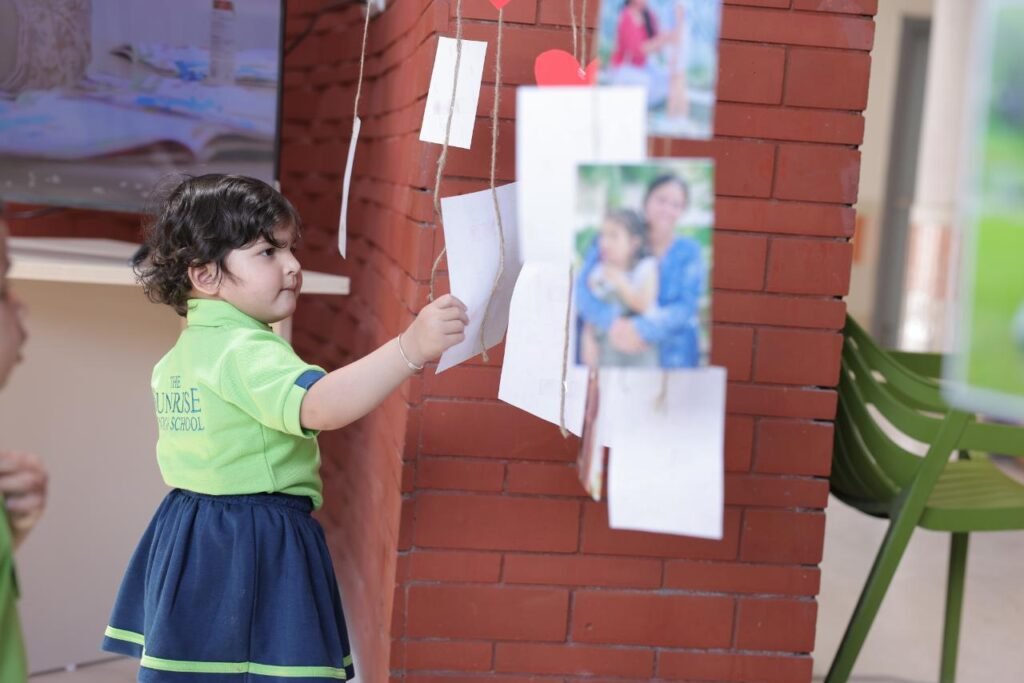
During preschool, children’s language development improves a lot. Children learn new words, build longer sentences, follow more complex commands, and talk about their experiences.
The best ways to develop language skills are talking, storytelling, singing, and reading to children. Parents can help the child’s language development by answering their statements.
When a child says a phrase like “The dog is running,” the adult may say, “That’s right! The brown dog is running very fast in the garden.”
Children can mispronounce and misuse the grammar when learning language. Parents should also look for a medical intervention when it is hard to understand the child’s speech, the child does not talk, or they lose the language skills they used to have.
Physical Development
Physical growth encompasses gross and fine motor skills. The gross motor abilities such as running, climbing, jumping, balancing, or throwing fall in this category. The effectiveness of abilities involving small muscles of the hand and fingers depends on how skilled the children are in using their hands.
Some activities that can help develop fine motor skills are drawing, cutting, stringing beads, playing with play dough, turning pages of the book, and buttoning up.
In order to develop gross motor skills, children should play regularly and be engaged in various activities outdoors, such as outdoor games and dancing.
Social and Emotional Development
Emotional development means being able to recognize and express feelings and eventually learn to regulate them. Although preschoolers experience strong feelings, they need guidance from adults in dealing with disappointments, frustration, excitement, or fear.
Children start to learn how to share and take turns, develop the ability to comply with rules, and understand feelings of other people. Friendships may have more importance, but quarrel is not uncommon.
To support children’s emotional development, one could state feelings aloud and create constant limits. Saying a phrase such as, “You don’t like it because you wanted a turn,” helps a child to join emotions with words. Once a child feels understood, adults can guide them toward an appropriate response.
Independence and Self-Help Skills
Development in preschool years also brings increasing independence. Children become keen to dress on their own, carry things by themselves, wash their hands, eat by themselves, and make simple choices.
Though these tasks are likely to take longer to be completed, their practice helps kids to develop their skills. Parents may help them divide difficult activities into easier ones and give help only in case of need.
Independence does not mean withdrawing support. It means offering children safe possibilities to practice.
The Importance of Play and Routine
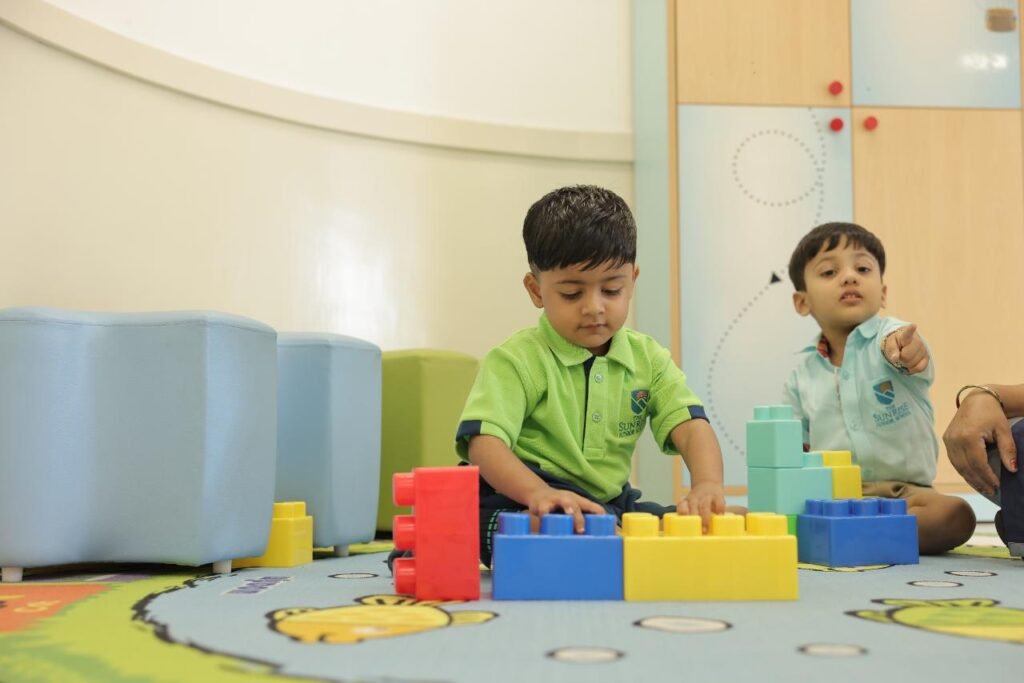
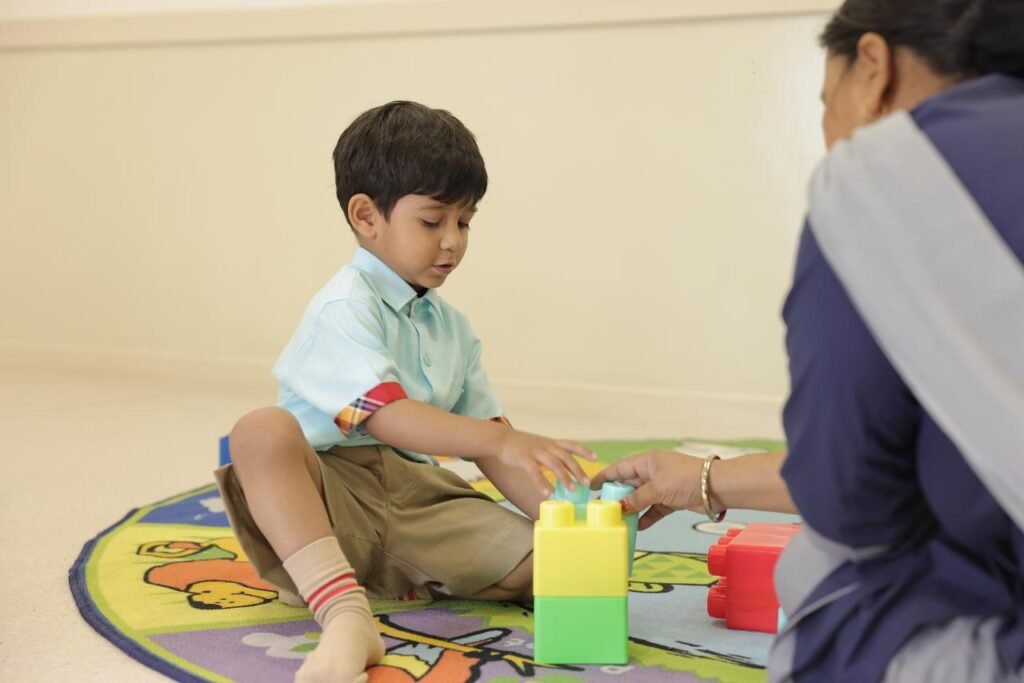
Involvement in different types of play simultaneously addresses different aspects of early childhood development. Constructing with blocks may require a child to plan, coordinate movements, communicate verbally, and work in collaboration with others. Roleplaying promotes creativity, understanding of emotions, and social awareness.
Another significant factor is a predictable routine. Having fixed time for rise, mealtimes, preschool classes, playtime, and sleep helps young children know what to expect in their daily lives. A proper routine decreases anxiety, and contributes to healthier behavior.
A good preschool program should consist of both structured activities and opportunities for independent exploration, movement, conversation, and rest.
When Parents Should Seek Guidance
Differences in development are frequent, and the presence of delays does not automatically imply the existence of a serious problem. However, it is helpful to seek guidance at the earliest possible stage.
In the event a child shows signs of regressions in learned skills, continual problems communicating, does not interact much, displays significant issues with movement or any behavior that stops the child from participating normally in life.
Parents can also share relevant observations with educators in preschool institutions. At the Sunrise Junior School, cooperation between educators and families may lead to a better understanding of the child’s development.
Conclusion
Development of a preschool child includes all areas such as cognitive, physical, language, social, emotional, and self-help development. Each area can progress at different paces. Parents are able to help children through conversations, playing, activities, established routines as well as through allowing children independence. Continuous monitoring and quick advice from specialists are necessary for the proper help to be given to children.
Frequently Asked Questions
Preschool is often defined as the time when children are between three and five years old, though the set-up of programs may differ.
No. Milestones provide only a general idea of the age at which a specific capability is to develop, whereas children may acquire different abilities at different ages.
Puzzles, sorting games, stories and games that involve building structures, imaginative play, and open-ended questions are some of the means to improve thinking and problem-solving.
The use of dialogues, reading stories, telling stories, singing songs, and giving children a chance to express themselves are some ways to promote the child’s language development.
Parents need to ask for advice in case the child loses already acquired skills and has difficulties in communicating and moving or in participating in daily life activities.

