
 Call Now
- September 26, 2026
Beginning preschool is a crucial point for both kids and their parents alike. A child is transferred to a new environment that consists of teachers and classmates, as well as daily routines and educational activities. Despite the excitement that comes with this stage, the parents may still be apprehensive and think about whether their child is ready or not.
Preschool readiness does not depend on a child’s ability to read or write. It is determined by multiple aspects that influence emotional, social, communication, physical and practical abilities of a child. Realizing the signs of preschool readiness will make it easier for parents to prepare their children without putting much stress on them.
What Does Preschool Readiness Mean?
Preschool Readiness refers to a child’s ability to participate in an age-appropriate preschool programme with reasonable comfort and support. It does not mean that the child must already know everything taught at school.
A child ready for preschool may still feel nervous, need help with certain tasks or take time to adjust. Readiness simply means that the child has begun developing the basic abilities needed to communicate, follow routines and interact with others.
Is There a Correct Preschool Age?
The appropriate preschool age depends on the programme, school guidelines and individual development of the child. Children commonly begin Playgroup or preschool between two and four years of age, but age alone should not determine readiness.
Two children of the same age may have different communication abilities, attention spans and emotional needs. Parents should consider the whole child rather than comparing their development with other children.
Emotional Signs of Preschool Readiness
Emotional readiness helps children manage the transition from home to school. Your child does not need to separate without any emotion, but they should gradually be able to remain with another trusted adult.
Some signs of emotional distress include:
- Being away from their parents for a little while
- Being able to express basic feelings and needs
- Overcoming slight disappointments with the help of someone
- Being interested in newly discovered places and activities
- Accepting help or comfort from other adult figures they trust
Separation anxiety commonly occurs when children begin preschool, but parents can help make the process easier by establishing a routine and keeping goodbyes short and simple.
Social Readiness
Preschool provides regular opportunities to interact with other children. A child does not need to be highly social, but some interest in peers can support adjustment.
Early school readiness skills include playing near other children, sharing with guidance, waiting briefly for a turn and participating in simple group activities.
Children may still have disagreements over toys or space. These moments are normal and can help them learn cooperation, empathy and respectful communication.
Communication and Language Skills
Children should be able to express their needs using words, gestures, or simple sentences. For instance, children may have to inform their teacher that they are thirsty, need assistance, or wish to use the washroom.
Some communication skills essential at this stage are as follows:
- Understanding simple commands
- Reacting to their name
- Requesting assistance
- Articulating their needs
- Listening to short stories
- Engaging in simple interactions
Teachers do not need to wait for children to speak perfectly before helping them to increase their language proficiency.
Physical and Practical Abilities
Activities done at preschool require movement, coordination and the ability to do basic self-care. The children learn to walk and run and perform simple tasks.
Practical preschool readiness skills can be:
- Eating with some help
- Drinking from a bottle or cup
- Washing and drying hands under supervision
- Carrying light school bag
- Assisting in simple dressing
- Using crayons, blocks, puzzles
- Communicating toilet needs
Total independence of children is not required. They need at least to understand that they can do some basic tasks and get help when they need it.
achers in each class.
A well-organized class enables teachers to monitor children and get to know what their interests are and where it might be necessary to provide extra support. Individual attention does not imply that each action has to be executed under the supervision of a teacher.
Attention and Ability to Follow Routines
There is not an expectation from preschoolers that they can stay focused on a task for long. Nonetheless, they should become capable of taking part in a short activity, listening to a brief story, or following an easy instruction with time.
Daily routines help kids to realize what they should expect next. Having a regular schedule of sleeping, waking up, eating, and playing at home helps with the transition to preschool.
Curiosity and Interest in Learning
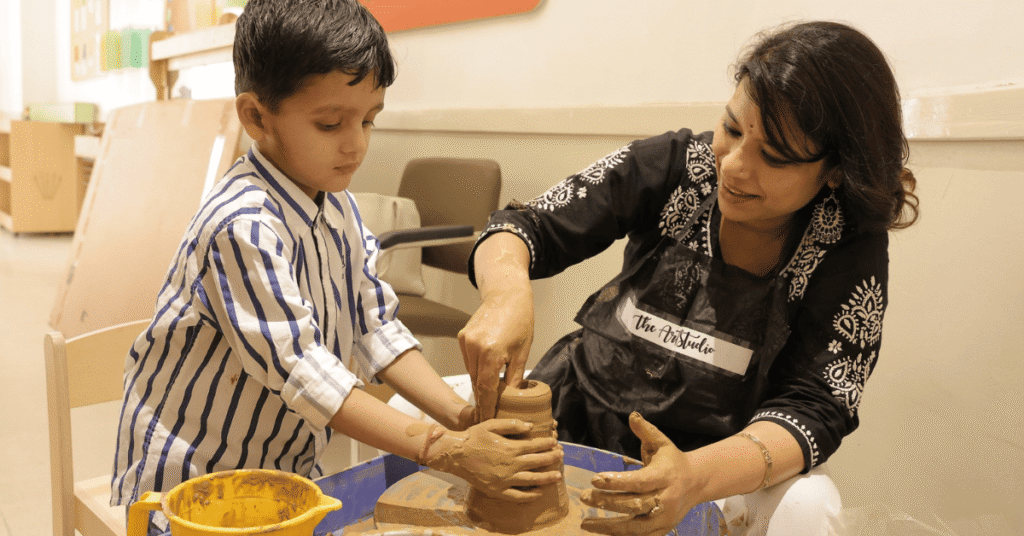
A child shows Preschool Readiness through Curiosity. There may arise questions, objects may be examined, stories may be heard, adults may be imitated and play may be conducted.
Preschool learning does not necessarily require anyone to attend classes at home. Various activities like classification of objects, drawing, singing, building with blocks, and conversation about nature can develop curiosity and thinking.
How Parents Can Help in Preparing for Preschool
It may be needed to adequately prepare some children who find it hard to separate or aren’t able to express what they want or who experience difficulties in processing instructions.
However, this does not mean that the child isn’t able to attend preschool. Talking with educational professionals may help understand what is necessary for the child’s smooth adaptation.
The Sunrise Junior School in Dehradun helps children through play-based activities, creative communication and learning. Respecting children’s own rhythm can help make their entry into preschool as comfortable as possible.
When a Child May Need More Time or Support
It may be needed to adequately prepare some children who find it hard to separate or aren’t able to express what they want or who experience difficulties in processing instructions.
However, this does not mean that the child isn’t able to attend preschool. Talking with educational professionals may help understand what is necessary for the child’s smooth adaptation.
The Sunrise Junior School in Dehradun helps children through play-based activities, creative communication and learning. Respecting children’s own rhythm can help make their entry into preschool as comfortable as possible.
Conclusion
Children’s readiness for preschool has nothing to do with academic success or achieving every developmental milestone before the school begins. It refers to whether or not the child can communicate, follow simple routines, participate in interactions and cope with some time away from the parent or guardian.
Children grow at their own pace, so many skills keep developing long after they have started pre-school. By being patient and joining forces, the teachers and parents can help children get used to preschool smoothly.
Frequently Asked Questions
Kids generally start their preschool experience between the ages of 24 months and 48 months.
Not at all. The preschool stage is when children actually learn letters and numbers through play, while social, and emotional skills are equally essential.
Yes, while many children go through a phase of anxiety before enrolling, a familiar routine and short goodbyes will help ease the transition.
Children should develop some independence before preschool. However, preschool teachers know that children still need support with many things.
Ensure that your child has a clear and stable routine, teach your child a few self-care skills, read together every day, promote communication, and provide your child with positive information about preschool.

